

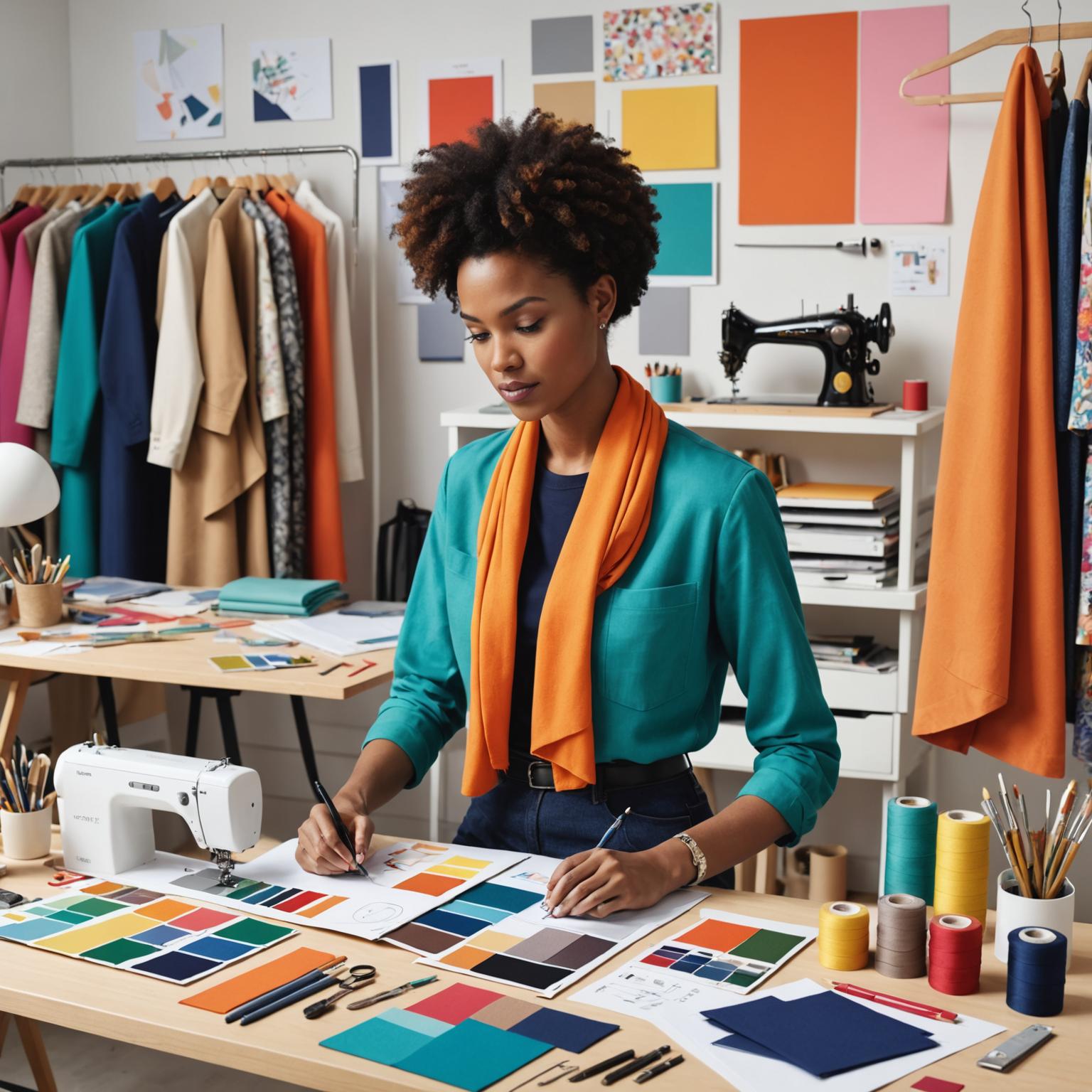
The distinctive melange fabric has steadily risen as a dominant force in the textile world, captivating designers and consumers alike with its subtly textured appearance. More than just a fleeting trend, the appeal of this heathered textile lies in its inherent visual depth, versatility, and sophisticated aesthetic. This article delves into the evolving landscape of melange, exploring its enduring popularity and how it's shaping fashion and textile design.
The Allure of Melange Textile
At its core, melange textile is characterized by its unique heathered look, achieved by blending two or more different colored fibers before they are spun into yarn, or by plying yarns of different colors. This process results in a fabric with a soft, multi-tonal effect that is far more nuanced than solid-colored materials. The subtle interplay of shades within melange textile creates a sense of depth and richness, making it a visually interesting choice for a wide array of applications. This distinctive appearance is a key reason for its sustained presence in collections year after year, moving beyond a mere trend to become a staple.
Exploring Melange Fabric Types and Versatile Applications
The versatility of melange is further enhanced by the variety of melange fabric types available. From cozy cotton melange perfect for casual wear, to performance-driven polyester melange ideal for activewear, the fiber composition plays a crucial role in its final characteristics and use. For instance, lightweight cotton or viscose melange blends are increasingly popular as choices for melange fabric for summer wear, offering breathability alongside visual appeal. Conversely, wool or fleece melange provides warmth and texture for colder seasons. The specific blend and weave also determine properties like drape, stretch, and durability, allowing designers to select the perfect heathered material for their intended garment or product. The demand for options suitable for melange fabric for activewear, in particular, has surged, as it combines aesthetic appeal with functional properties like moisture-wicking and stretch when blended with appropriate fibers.
Fashion Forward: Melange Fabric Designs in Contemporary Trends
When analyzing current fashion trends, melange consistently emerges as a favorite. Its ability to add texture and a sophisticated, understated pattern without being overtly bold allows it to fit seamlessly into various style aesthetics, from minimalist to athleisure. Popular melange fabric designs can range from very subtle variations in shade, creating an almost solid appearance from a distance, to more pronounced contrasts that highlight the heathered effect. Designers are increasingly experimenting with this textile in innovative ways, incorporating it into structured garments, flowing dresses, and sleek sportswear. The fashion inclinations melange leans into often emphasize comfort, understated elegance, and versatility, all qualities that this unique material inherently possesses.
The Comfort Factor: Soft Melange Fabric in Everyday Wear
A significant driver of melange's popularity is the rise of comfort-focused fashion. Soft melange fabric, often crafted from cotton, bamboo, or modals, has become synonymous with cozy loungewear, comfortable t-shirts, and relaxed everyday apparel. This tactile appeal, combined with its gentle visual softness, makes it an ideal choice for garments worn close to the skin. The trend towards "quiet luxury" also favors the subtle sophistication of soft melange fabric, as it conveys quality and comfort without being ostentatious. Its understated nature allows for easy layering and pairing with other textures and patterns.
Behind the Seams: Melange Fabric Innovators and Suppliers
The increasing demand for this heathered textile has spurred innovation among melange fabric manufacturers and melange fabric suppliers. These industry players are crucial in developing new melange blends, textures, and colorways. Manufacturers are exploring advanced techniques to create even more intricate melange effects and are also focusing on sustainable production methods. Reliable suppliers ensure that designers and brands have access to a diverse range of high-quality melange options, catering to different market segments and design needs. The collaboration between designers and textile producers fuels the continuous evolution of melange fabric designs.
Melange Fabric: A Sustainable Perspective and Future Outlook
In an era increasingly conscious of environmental impact, sourcing this type of textile can offer certain sustainable advantages. For instance, using fiber-dyed melange (where fibers are dyed before spinning) can sometimes lead to reduced water and energy consumption compared to dyeing finished fabric rolls. Some manufacturers are also exploring recycled fibers to create melange textiles, further enhancing their eco-friendly appeal. Looking ahead, the future for melange fabric appears bright. Its blend of timeless appeal, versatility, and comfort ensures its continued relevance. As textile technology advances, we can expect to see even more innovative variations and applications, solidifying its position as a key textile in the fashion and design industries. The subtle charm of melange fabric is unlikely to fade, continuing to inspire new collections and satisfy consumer desires for both style and substance. The unique appeal of melange fabric lies in its adaptability.